Updated: 6/28/26

If you’ve started shopping for a pontoon boat, you’ve probably noticed spec sheets filled with numbers and terms like horsepower, tube diameter, deck length, weight capacity, beam width, fuel capacity, and tritoon configuration.
The problem is that most first-time buyers aren’t sure which of those specifications actually matter.
The truth is that choosing the wrong features can affect everything from how comfortably your family rides to whether your boat has enough power for tubing, fishing, entertaining, or simply relaxing on the lake.
In this guide, I’ll explain every major pontoon boat feature in plain English, show you which specifications deserve your attention, and point out the ones that many buyers worry about—but often don’t need to.
Whether you’re buying your first pontoon or comparing newer 2026 models, this guide will help you understand exactly what you’re looking at before spending thousands of dollars.
Quick Answer
When comparing pontoon boats, these are the specifications that matter most:
- Pontoon length
- Deck width (beam)
- Horsepower rating
- Weight capacity
- Number of pontoons (pontoon vs. tritoon)
- Fuel capacity
- Seating capacity
- Storage layout
- Tube diameter
- Construction materials
If you understand these ten specifications, you’ll understand almost every pontoon boat on the market.
**Here’s a little transparency: Our website contains affiliate links. This means if you click and make a purchase, we may receive a small commission. Don’t worry, there’s no extra cost to you. It’s a simple way you can support our mission to bring you quality pontoon boating content.
Skipper Sam’s Tip
One thing I’ve learned over the years is that bigger numbers don’t always mean a better pontoon. I’ve seen families spend thousands extra on horsepower they rarely use while overlooking features like storage, seating layout, and weight capacity that affect every single day on the water. Understanding the specifications before you buy can save money and help you choose a boat that actually fits how your family will use it.
What Are Pontoon Boat Features?
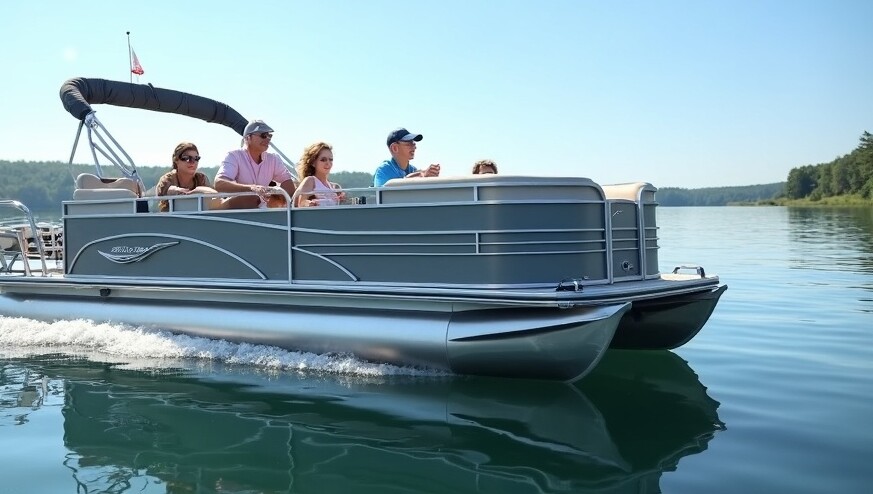
When it comes to pontoon boats, it’s all about those signature features that make them unique.
Before comparing pontoon boats, it helps to understand the difference between features and specifications. Many buyers use the terms interchangeably, but they actually describe two different aspects of a boat.
Features are the equipment and amenities that improve comfort, convenience, safety, or recreation. These include things like seating layouts, storage compartments, swim ladders, livewells, stereo systems, bimini tops, changing rooms, lighting, and fishing packages.
Specifications, on the other hand, are the measurable numbers that define how a boat performs. Length, beam (width), horsepower rating, weight capacity, fuel capacity, pontoon tube diameter, and engine size all fall into this category.
Understanding both helps you compare boats more effectively because two pontoons of the same length can perform very differently depending on their specifications and included features.
Skipper Sam’s Tip
One of the biggest mistakes first-time buyers make is focusing on the “extras” before looking at the specifications. A premium stereo or upgraded furniture is nice to have, but the right horsepower, weight capacity, and tube design will affect every day you own the boat.
Highlighting Key Specifications
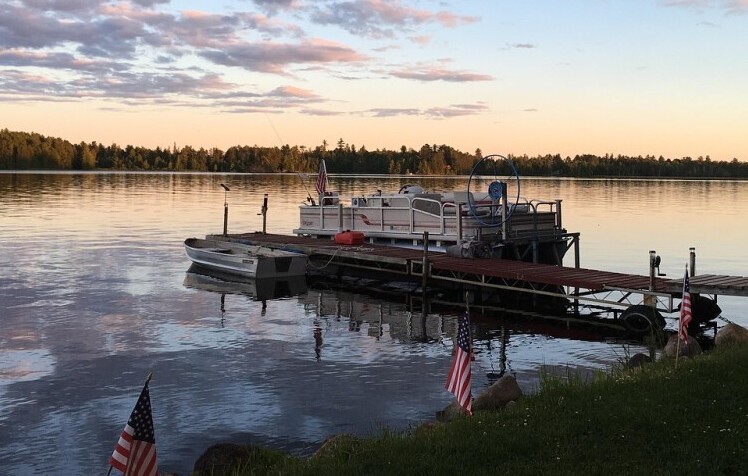
Understanding pontoon boat specifications is one of the best ways to compare models and choose the right boat for your family. While features like premium seating and upgraded stereos add comfort, the specifications determine how the boat performs, how many people it can safely carry, and what activities it can handle.
When comparing pontoon boats, focus on these core specifications:
Length
Pontoon boats typically range from 16 to 30 feet in length. Smaller models are ideal for couples or small families cruising inland lakes, while boats in the 20- to 24-foot range offer an excellent balance of passenger space, comfort, and versatility. Larger pontoons provide additional seating, storage, and entertaining space but require more horsepower and larger trailers.
Beam (Width)
Most pontoons have a beam of approximately 8 feet 6 inches, which offers an excellent balance between stability and trailering. A wider beam generally provides more usable deck space and improves stability while passengers move around the boat.
Horsepower Rating
One of the most important specifications is the maximum horsepower rating. While a 60-90 HP engine may be perfect for leisurely cruising and fishing, families planning to pull tubes, skiers, or wakeboards often appreciate the added performance of 150 HP or more. Always stay within the manufacturer’s recommended horsepower limits.
Weight Capacity
Every pontoon includes a maximum passenger and weight capacity. This rating includes people, fuel, coolers, water toys, pets, and all onboard gear. Exceeding the recommended capacity can negatively affect handling, fuel efficiency, and safety.
Pontoon Configuration
Most boats feature two aluminum pontoons, while tritoons add a third center tube for improved stability, higher horsepower ratings, smoother handling in rougher water, and better overall performance.
Construction Materials
Modern pontoon boats typically use marine-grade aluminum pontoons combined with composite or treated plywood decking, durable vinyl flooring, and aluminum rail systems. Higher-quality construction materials generally provide greater longevity while reducing maintenance requirements.
Skipper Sam’s Tip
When comparing boats, don’t get distracted by flashy options first. I always recommend comparing the specification sheet before looking at colors, furniture packages, or upgraded stereos. A well-matched length, horsepower rating, and weight capacity will have a much bigger impact on your family’s enjoyment than cosmetic upgrades alone.
| Key Specification | Why It Matters | Typical Range | Best For |
|---|---|---|---|
| Length | Determines passenger space and overall usability | 16–30 ft | Families, entertaining, fishing |
| Beam (Width) | Affects stability and deck space | 8–8.5 ft | Comfortable movement onboard |
| Horsepower Rating | Determines speed and towing ability | 60–250+ HP | Cruising, tubing, watersports |
| Weight Capacity | Maximum safe weight of passengers and gear | 1,500–3,000+ lbs | Family safety and performance |
| Pontoon Configuration | Two tubes vs. tritoon affects ride quality | Twin or Tritoon | Smooth handling and stability |
| Fuel Capacity | Determines cruising range | 20–60 gallons | Longer days on the water |
Skipper Sam’s Advice: Don’t compare pontoon boats based on appearance alone. Start with these six specifications first. Once you’ve found boats with the right size, horsepower, and weight capacity, then compare seating layouts, furniture packages, and accessories.
Essential Gear Based on Your Pontoon’s Specifications
Once you’ve compared the major specifications, it’s easier to choose accessories that actually fit your boat and the way your family plans to use it.
For example, a larger pontoon with a higher horsepower rating may benefit from a stronger anchor system and a heavy-duty tow rope for watersports. A smaller cruising pontoon, on the other hand, might place a higher priority on compact storage solutions and lightweight accessories that maximize available space.
Rather than buying every boating gadget available, I recommend starting with a few proven essentials that match your pontoon’s size, layout, and intended use.
Skipper Sam’s Tip
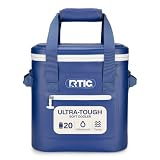
I always tell first-time owners to buy accessories that solve real problems, not just fill storage compartments. A quality anchor, dependable tow rope, waterproof phone case, and cooler will get used on nearly every outing. Start with the essentials and build from there.
Skipper Sam’s Recommended Pontoon Essentials



Customization Options for Enhanced Experiences
One of the biggest advantages of owning a pontoon boat is the ability to customize it to fit your family’s lifestyle. Whether your weekends are spent fishing, towing tubes, entertaining friends, or quietly cruising the lake, the right upgrades can make every outing more enjoyable.
Rather than adding every available option, focus on upgrades you’ll actually use. Investing in practical features often provides far greater value than choosing expensive cosmetic upgrades.
Comfort Upgrades
Comfort features can transform an ordinary day on the water into a relaxing experience. Popular upgrades include premium captain’s chairs, reclining loungers, upgraded vinyl seating, adjustable tables, USB charging ports, LED courtesy lighting, and high-quality flooring materials such as woven vinyl.
Families who spend full days on the water often find these upgrades well worth the investment.
Entertainment Features
If your pontoon is the gathering place for family and friends, entertainment upgrades are worth considering.
Popular options include:
- Bluetooth marine stereo systems
- Additional speakers
- Interior LED lighting
- Ski tow bars
- Built-in coolers
- Grill mounts
- Portable tables
- Phone charging stations
These features make entertaining easier without significantly affecting maintenance requirements.
Fishing Packages
Many manufacturers offer fishing-specific layouts that include features such as:
- Livewells
- Rod holders
- Fishing chairs
- Trolling motor mounts
- Fish finder compatibility
- Additional tackle storage
If fishing is a primary activity, purchasing a factory fishing package is often more economical than adding these features later.
Watersports Upgrades
Families who enjoy tubing, wakeboarding, or skiing should consider upgrades that improve performance and convenience.
These may include:
- Ski tow bars
- Performance tritoon packages
- Higher horsepower engines
- Hydraulic steering
- Performance lifting strakes
- Larger fuel tanks
These upgrades provide smoother handling and stronger acceleration when towing riders.
Skipper Sam’s Advice
Don’t feel pressured to buy every available upgrade your first season. Spend time enjoying your pontoon and learning how your family uses it. After a few weekends on the water, you’ll have a much better idea which upgrades will truly improve your boating experience and which ones you can skip.long-term value.
Safety and Security on Pontoon Boats
No matter how luxurious or performance-oriented your pontoon boat is, safety should always come first. Fortunately, modern pontoon boats are designed with numerous features that help protect passengers and make every outing more enjoyable.
Protective Railings and Gates
One of the biggest advantages of pontoon boats for families is their enclosed deck design. High railings and secure gates help prevent accidental falls, giving parents greater peace of mind when children, pets, or older adults are moving around the boat.
Before every trip, make sure all gates latch securely and remind passengers to keep them closed whenever the boat is underway.
Passenger and Weight Capacity
Every pontoon boat includes a maximum passenger capacity and total weight rating. These limits include people, fuel, coolers, water toys, pets, and other gear—not just passengers.
Overloading your boat can reduce stability, increase stopping distance, and negatively affect handling. Always follow the manufacturer’s capacity plate and distribute weight evenly throughout the boat.
Essential Safety Equipment
Federal regulations require certain safety equipment onboard, but experienced boaters often carry additional items for extra peace of mind.
At a minimum, I recommend having:
- U.S. Coast Guard-approved life jackets for every passenger
- A throwable flotation device
- Fire extinguisher
- Sound-producing device (whistle or horn)
- Navigation lights
- Dock lines and extra fenders
- First-aid kit
- Waterproof flashlight
- Emergency paddle
- Fully charged phone or VHF radio
Keeping these items organized and easy to access can make all the difference during an emergency.
Routine Safety Inspections
A quick pre-departure inspection only takes a few minutes but can prevent major problems later.
Before leaving the dock, check:
- Engine and fuel levels
- Battery charge
- Navigation lights
- Bilge area
- Steering response
- Horn
- Anchor and dock lines
- Pontoon tubes for visible damage
Developing this habit helps ensure every boating trip starts safely.
Skipper Sam’s Tip
One of the best habits I’ve developed over the years is performing a simple five-minute walk-around before every outing. Catching a loose dock line, low battery, or missing life jacket at the dock is much easier than discovering it once you’re already out on the lake.
Frequently Asked Questions
What pontoon boat features matter most for families?
The most important features include a stable deck layout, comfortable seating, adequate passenger capacity, quality safety railings, and enough horsepower for the activities your family enjoys. For many families, boats between 20 and 24 feet provide the best balance of space, performance, and value.
How do I know which accessories I need?
Start with the essentials first. A quality anchor, properly sized dock lines, life jackets, fenders, and a cooler will improve nearly every outing. Once you’ve spent some time on the water, you’ll quickly discover which additional upgrades best match your boating style.
Should every pontoon boat have fenders?
Yes. Fenders help protect your pontoon from damage while docking, tying up at marinas, or rafting with other boats. Adjustable pontoon rail fender hangers make positioning them much easier.
Is a tritoon worth the extra cost?
If you regularly carry larger groups, enjoy watersports, or frequently boat on larger lakes, a tritoon can provide improved stability, smoother handling, and the ability to safely accommodate higher horsepower engines.
What’s the biggest mistake first-time pontoon buyers make?
Many buyers focus on appearance instead of functionality. It’s usually better to choose the right size, horsepower, and seating layout first, then add accessories and upgrades over time as you learn how your family enjoys using the boat.
Final Thoughts: Choosing the Right Pontoon Features for Your Family
Understanding pontoon boat features and specifications isn’t about memorizing technical terms—it’s about choosing a boat that fits the way your family wants to spend time on the water.
The right combination of length, horsepower, seating layout, weight capacity, and safety features can make every outing more comfortable, enjoyable, and stress-free. While it’s tempting to focus on flashy upgrades and luxury options, the best pontoon boat is the one that matches your boating lifestyle and gives your family the confidence to create lasting memories together.
Remember, you don’t have to buy every accessory or upgrade on day one. Start with the essentials, spend time learning how your family uses the boat, and add features that genuinely improve your experience over time. That’s often the smartest—and most affordable—approach.
Skipper Sam’s Final Thought
After years of spending time on pontoons with family and friends, I’ve learned that the memories rarely come from having the biggest engine or the most expensive options. They come from watching kids jump off the swim deck, enjoying quiet sunsets on the lake, sharing meals onboard, and spending uninterrupted time with the people who matter most.
Choose a pontoon that’s safe, comfortable, and built for the adventures your family wants to have. The rest will come naturally.
If you’re still researching your next boat, be sure to explore our other buyer’s guides, comparison articles, and family boating resources to help you make the best decision with confidence. See you on the water!
Continue Your Pontoon Boat Research
- Pontoon Boat Safety Checklist-– Make sure your boat is fully equipped before your next outing.
- Highest Rated Pontoon Boats of 2026 – Compare the year’s top-rated family pontoons.
- Best Pontoon Boat Accessories (Must-Have Gear This Year) – Discover the gear that makes every day on the water easier.
- What to Avoid When Buying a Pontoon Boat – Learn the costly mistakes first-time buyers often make.