
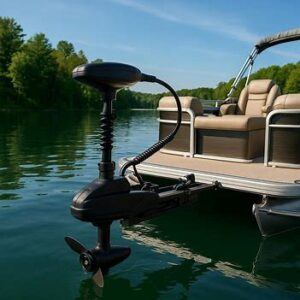
Pontoon boats are built for family fun, fishing trips, and lazy afternoons on the lake. But if you’ve ever tried to maneuver your pontoon quietly into a fishing spot or nudge it into a dock with just your outboard, you know the struggle. Outboards are powerful, but they’re not designed for finesse.
A trolling motor solves this problem. With quiet operation, precise steering, and advanced GPS features, a trolling motor transforms your pontoon into a highly versatile machine. Whether you’re an angler looking for better boat control or a family boater who wants extra safety and maneuverability, the right trolling motor is a game changer.
In this guide, we’ll explore why trolling motors are essential for pontoons, the features that matter most, the best models in 2026, installation tips, accessories, and where to buy online. By the end, you’ll know exactly which trolling motor fits your pontoon and your lifestyle.
**Here’s a little transparency: Our website contains affiliate links. This means if you click and make a purchase, we may receive a small commission. Don’t worry, there’s no extra cost to you. It’s a simple way you can support our mission to bring you quality pontoon boating content.
Why a Trolling Motor Belongs on Every Pontoon

· Silent Stealth for Fishing: Outboards scare fish. Electric trolling motors whisper across the water, letting you approach quietly.
· Docking Made Simple: Pontoons are big, boxy, and catch wind easily. A trolling motor gives you precision control at low speeds.
· Safety Backup: If your main motor stalls, your trolling motor can get you back to the dock.
· Family-Friendly Cruising: Drift slowly near beaches or coves while kids swim without the roar of a gas motor.
· Fuel Efficiency: Save your outboard for long runs. Use the trolling motor for short, quiet maneuvers.
Key Features to Consider Before Buying
- Thrust Power: Rule of Thumb → 2 lbs thrust per 100 lbs of boat (including passengers & gear). Average pontoon weight with passengers = 3,000–4,000 lbs → You’ll need 70–100 lbs thrust minimum.
- Voltage: 12V (light pontoons), 24V (mid-size pontoons), 36V (heavy pontoons & anglers).
- Shaft Length: Because pontoons sit higher on the water, you’ll want 50–60 inches.
- Mounting Options: Bow-Mount (anglers, precise control), Transom-Mount (easy, affordable).
- Control Systems: Hand Tiller (basic), Foot Pedal (hands-free fishing), Wireless Remote/GPS Autopilot (premium).
- Spot-Lock / GPS Anchoring: Holds your boat in place like a digital anchor.
Best Trolling Motors for Pontoon Boats in 2026
| Model | Thrust | Shaft Length | Voltage | Best For | Price Range |
|---|---|---|---|---|---|
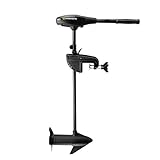
Minn Kota Endura Max |
55 lbs | 42″ | 12V | Freshwater; All-purpose pontoons | $$ |
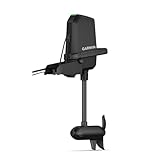
Garmin Force |
~50 lbs |
~48″ | 24V | Lithium system; Kayaks & small craft w/ wireless control | $$$$ |

Newport NV-Series |
55–86 lbs | 40″–60″ | 12V/24V | Budget pontoons | $ |

Minn Kota Riptide |
55 lbs | 54″ | 12V | Saltwater-ready pontoons & light fishing | $$ |

Minn Kota Terrova |
80lbs | 60″ | 24V | Anglers who want precision boat control for all-day fishing trips. | $$$ |
| Rhodan Marine GPS Anchor | 80–120 lbs | 54″–72″ | 24V/36V | Premium anglers & saltwater | $$$$ |
*Note: The Garmin Force Current is designed primarily for kayaks and small watercraft but may suit compact pontoons with lighter mounting needs.
MotorGuide Xi580 lbs54″–60″24V/36VGPS anchoring & fishing$$$
Minn Kota Endura Max (Best Overall for Families)
Why it’s great: Reliable, efficient, and perfect for most pontoons.
Quick Reviews
Minn Kota Pontoon Series
Specially designed for pontoons.
Easy-to-use brackets + reinforced mounts.
Pros: Reliability, strong thrust, simple installation.
Cons: Fewer high-tech features than premium models.
- Six-Inch Telescoping Tiller: Provides easy, comfortable, and intuitive operation with finite adjustment of forward and reverse speed settings for precise boat control in any fishing situation
- 10-Position Lever Lock Bracket: Easy-release lever lock system lets you quickly adjust and secure your trolling motor angle; Reinforced composite construction resists flexing, warping, and UV damage for long-lasting durability in marine environments
- Power Prop for Heavy Vegetation: Designed for 3-1/4" motor diameters, this high-performance propeller delivers extra thrust to power through thick cover; Includes prop pin, nut, and washer for complete installation
- Efficient Power Management: Digital Maximizer technology extends run time up to 5x longer on a single charge; These variable speed motors only use the power you need to conserve your battery for all day fishing trips; Features push-to-test battery meter
- Built to Last: Designed with an indestructible composite shaft at the motor's core to ensure reliable performance season after season
Newport Vessels NV Series
Great entry-level trolling motor.
Lightweight, affordable, good for small pontoons.
Pros: Price, portability.
Cons: Not enough thrust for heavy pontoons.
- ⚡ 62LB THRUST 12V TROLLING MOTOR – POWER FOR BIGGER BOATS & CONDITIONS: High-output 62lb thrust trolling motor designed for larger boats and heavier loads, giving you control in wind, current, and longer runs
- 🌊 SALTWATER TROLLING MOTOR – BUILT FOR TOUGH CONDITIONS: Durable, corrosion-resistant construction ensures reliable performance across freshwater and saltwater
- 🛶 LARGE 3-BLADE PROPELLER – MAXIMUM PUSH & CONTROL: Enhanced prop size delivers stronger thrust and improved handling in demanding conditions
- 🎯 8-SPEED TRANSOM MOUNT CONTROL – PRECISION IN REAL CONDITIONS: Smooth, responsive control for trolling, positioning, and navigating rougher water
- 🔋 BATTERY INDICATOR – GO FARTHER WITH CONFIDENCE: Track power levels in real time and extend your time on the water

Minn Kota Riptide PowerDrive
Reliable 55 lb thrust with saltwater protection.
Includes an easy-to-use micro remote.
Great for smaller pontoons and light fishing.
Pros: Saltwater-ready corrosion protection, easy micro remote control
Cons: Lower thrust for larger pontoons, no GPS anchoring features, remote range is limited
- Tilt & Extend Tiller: Customize your operating position with a tiller that tilts up to 45-degrees and extends up to 6-inches for comfortable operation and maximum control; Push-to-test battery meter integrated with motor head
- Latch & Door Bracket: Provides a secure hold while stowing your trolling motor and makes for easy removal at the end of the day
- Marine Corrosion Protection: Motor lower unit housings are grit-blasted and coated in aluminum to prevent oxidization and rust, with a final layer of powder coat paint providing ultimate protection in saltwater environments
- Weedless Wedge 2 Propeller: The swept-back flared blades power through vegetation without battery-draining chopping for reliable performance
- Forward & Reverse Speed Settings: Dial in precise speed control with five forward speeds and three reverse speeds; Versatile settings let you adapt to any fishing condition, from slow trolling presentations to quick repositioning on the water
Garmin Force Current Kayak Motor
Quiet jet-drive with wireless control.
Integrates seamlessly with Garmin electronics.
Best for lightweight, tech-focused setups.
Pros: Quiet, low-maintenance jet drive, wireless remote + Garmin integration, good for shallow or obstacle-prone water
Cons: Higher price point, less thrust than comparable prop-driven motors, not a traditional motor
- Kayak trolling motor with legendary Force trolling motor reliability and performance
- Use the foot pedals, included on select bundles, for hands-free throttle and steering, or use the wireless handheld remote with point-and-go gesture steering
- Reduce clutter on deck; the throttle and steering pedals connect wirelessly to the motor and are designed to accommodate a wide variety of installation methods
- Connect your compatible smartwatch, and control throttle and steering from your wrist
- Unprecedented maneuverability; turn your boat quickly with full forward and reverse thrust in any direction
Minn Kota Terrova
Crystal clear underwater visualization
GPS-enabled.
45″ or 60″ shaft options.
Pros: Holds position automatically, built-in fish finder.
Cons: Premium price tag, can be challenging to handle.
- Built-in MEGA Down Imaging: Crystal clear underwater visualization of fish, structures, and contour changes up to 200 feet below your boat; Transducer is integrated directly into the motor for a streamlined look
- Advanced GPS Trolling System with Spot-Lock and Jog: Maintains precise position and allows you to move your locked position 5 feet in any direction; Equipped with drift mode, follow mode, and dodge mode to navigate any environment
- Weedless Wedge 2 Propeller: The swept-back flared blades power through vegetation without battery-draining chopping for reliable performance
- Electric Foot Pedal with Dual Steering: Navigate waters using heel/toe and left/right buttons; Includes integrated controls for Spot-Lock, AutoPilot, rotary speed adjustment, and 18 ft. cable
- Efficient Power Management: Digital Maximizer technology extends run time up to 5x longer on a single charge; These variable speed motors only use the power you need to conserve your battery for all day fishing trips
MotorGuide Xi5
Wireless control with pinpoint GPS anchoring.
Durable composite shaft.
Pros: Amazing spot-lock, quiet, precise.
Cons: More expensive, installation takes longer.
Looking for the best trolling motor for your pontoon?
Compare top-rated models, check real reviews, and see current pricing on Amazon.
View Top Picks on Amazon
Installation & Setup Tips
Measure Twice, Buy Once: Get the right shaft length and thrust for your boat weight.
Mounting Brackets: Use reinforced aluminum brackets for pontoon decks.
Wiring & Batteries: Use marine-grade wiring, install inline circuit breakers, and pair with AGM or lithium deep-cycle batteries.
Battery Storage: Install a dedicated battery box on deck or under seating.
Must-Have Trolling Motor Accessories
· Best Marine Battery
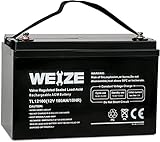
On-Board Battery Charger
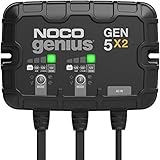
Quick Release Mount

Weedless Prop Upgrade

Family-Friendly Uses Beyond Fishing
· Slow cruising along beaches.
· Holding steady for swimming or snorkeling.
· Exploring shallow coves where an outboard can’t go.
· Serving as a safe backup for emergencies.
FAQ’s
Do trolling motors work in rivers with strong currents?
Yes, but you’ll need a higher-thrust model (80 lbs. or more) and possibly a 36V system to fight the current.
Can I use solar panels to recharge trolling motor batteries?
Yes. Portable solar chargers can extend your runtime, though they are slower than plug-in chargers.
What’s better, foot pedal or remote control?
Foot pedals are favored by anglers for hands-free fishing, while remotes are great for casual cruising and convenience.
What trolling motor works best for a family pontoon boat?
Most families prefer mid-range motors like the Minn Kota Endura Max for quiet operation and longer battery life.
How heavy is a trolling motor?
Most models weigh 40–80 lbs. depending on thrust and shaft length, so installation may require two people.
What size trolling motor do I need for a pontoon boat?
Most pontoons require 70–100 lbs thrust depending on weight and load.
Can I use a 12V trolling motor on a pontoon?
Small pontoons, yes. But most will need 24V or 36V for enough power.
What is spot-lock?
A GPS feature that holds your boat in place without anchoring.
How long will trolling motor batteries last?
With proper deep-cycle batteries, expect 4–8 hours of runtime.
Can you mount a trolling motor on any pontoon?
Yes, with the right bracket system, you can mount on bow or transom.
Where to Buy Online
Amazon: Best selection + customer reviews.
Bass Pro Shops: Great bundles & seasonal sales.
Cabela’s: Trusted outfitter with rewards programs.
West Marine: Premium saltwater trolling motors.
Extended Buyer’s Guide: Choosing the Right Trolling Motor
When investing in a trolling motor for your pontoon boat, it pays to think beyond just thrust and shaft length. Consider your boating environment: lakes, rivers, or coastal waters. Each setting places different demands on your trolling motor. For instance, saltwater motors are built with corrosion-resistant materials, while freshwater models may not withstand long-term saltwater use.
Think also about your boating habits. Are you primarily fishing, or are you more into family cruising? Anglers will appreciate GPS anchoring, wireless remotes, and spot-lock features. Families may prioritize ease of use, safety, and affordability. It helps to make a checklist of what matters most before buying.
Understanding Voltage Systems in Depth
Choosing between 12V, 24V, and 36V trolling motors can feel confusing. A 12V system is easier to set up, requiring just one battery, making it budget-friendly. However, it may struggle on larger pontoons or in windy conditions. A 24V motor doubles your power, requiring two batteries but delivering far greater thrust and efficiency. Meanwhile, a 36V system uses three batteries and is generally reserved for the heaviest pontoons or for boaters who demand maximum control in big water.
Another factor is runtime. Higher voltage systems draw less current for the same thrust, meaning your batteries last longer on the water. If you spend entire days fishing, a 24V or 36V motor will serve you much better than a 12V option.
Maintenance and Longevity of Trolling Motors
Taking care of your trolling motor ensures it lasts for years. After every trip, inspect the propeller for weeds or fishing line that can tangle the shaft. Rinse with fresh water if you’ve been in saltwater, even with a saltwater-rated motor. Check battery terminals for corrosion and apply dielectric grease to connections to extend their lifespan.
It’s also smart to recharge your batteries as soon as possible after each outing. Letting them drain too low or sit uncharged shortens their life dramatically. For seasonal storage, disconnect batteries, store them in a cool dry place, and recharge them monthly to maintain health.
Best Batteries for Pontoon Trolling Motors
Batteries are the lifeblood of your trolling motor. Without the right ones, even the best motor won’t perform.
There are three main types to consider: Flooded Lead Acid (FLA), Absorbent Glass Mat (AGM), and Lithium.
Flooded Lead Acid: Affordable and widely available but require maintenance, such as topping off with distilled water.
AGM: Sealed and maintenance-free, more durable, and provide longer runtime. They are heavier than lithium but are a reliable choice.
Lithium: The most expensive choice but offer lightweight design, extremely long cycle life, and rapid charging. Perfect for serious anglers who want maximum performance.
Complete Battery Setup for Trolling Motors
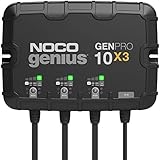
If you’re buying a trolling motor, you’ll also need a reliable battery + charger setup.


Safety Tips for Using Trolling Motors
While trolling motors are generally safe, it’s important to practice good habits. Always use circuit breakers to prevent electrical overload. Keep loose items away from the propeller when running. Ensure kids and pets stay clear of the motor when it’s in use or being deployed.
If you’re running a remote-controlled system, familiarize yourself with emergency shut-off functions. It’s easy to forget these motors have plenty of power, and a runaway motor can create dangerous situations.
Top Mistakes to Avoid When Buying a Trolling Motor
1. Buying too little thrust: Many new pontoon owners underestimate the weight of their boat and buy underpowered motors.
2. Ignoring shaft length: A shaft that’s too short causes cavitation, reducing efficiency.
3. Skipping GPS anchoring: This feature is invaluable for fishing, yet many skip it to save money.
4. Forgetting about battery space: Extra batteries require storage and add weight.
5. Choosing the wrong mount: Bow mounts are best for fishing, but some buyers mistakenly buy transom mounts expecting the same performance.
Power Up Your Pontoon-Shop the Top-Rated Trolling Motors Now
A trolling motor makes your pontoon more versatile, safe, and enjoyable. From budget-friendly Newport models to GPS-powered giants like Rhodan, there’s an option for every family and angler.
Don’t wait until your next fishing trip or family outing. Shop the Best Pontoon Trolling Motors Today!