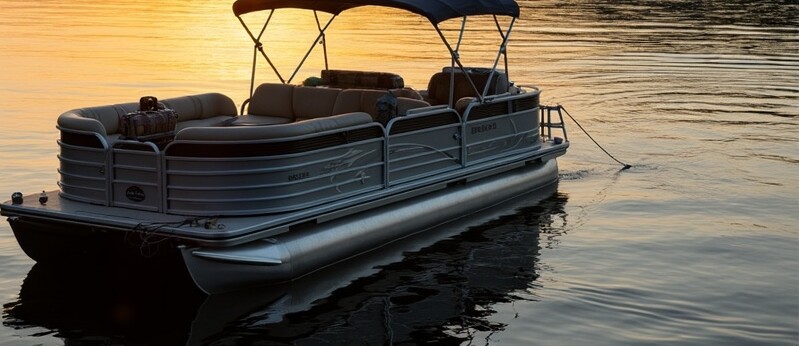
Pontoon boats are fantastic for family trips, offering comfort and versatility on the water. They come in a couple of flavors, primarily single-engine and twin-engine variants, each catering to different needs and experiences.
When planning your epic family adventures on the water, it’s essential to consider what you value most. Are you all about serene cruises at a leisurely pace, where budget plays a critical role? Or is the thrill of watersports and speeding across the lake a top priority? Your choice of boat will significantly impact your family’s experience.
Single-engine pontoons tend to be budget-friendly and offer ease of maintenance. Twin-engine pontoons, on the other hand, bring more power and versatility but at a steeper cost and maintenance commitment.
Understanding these differences is crucial because it sets the stage for choosing a boat that matches your family’s style, preferences, and intention for the water. Whether it’s about weekend adventures or long summer vacations, the right pontoon can enhance your time together and make for unforgettable memories on the water.
The Benefits and Drawbacks of Single-Engine Pontoon Boats
Single-engine pontoon boats are a smart pick when you’re looking at stretching your dollars while still getting plenty of fun on the water. They’re generally more affordable, which means more savings for snacks and gear. Plus, with just one engine, the fuel bills stay light-hooray for more trips and less refueling stress!
Simplicity is the name of the game with single-engine pontoons. Less machinery to manage translates to easier maintenance and fewer headaches. Let’s face it, no one wants to spend their free time worrying about engine parts when they could be soaking up the sun.
When it comes to using space efficiently, these boats shine. With fewer engines taking up room, expect more open transom area, perfect for setting up a lounge or swim platform. You’ll get more space for those family picnics or sunbathing sessions.
However, what you save in cash and space, you might lose in power. The single-engine setup often doesn’t provide enough oomph for exhilarating watersports. If pulling the kids on a tube at higher speeds is on your agenda, it’s something to think over.
Maneuverability in tight spots can also be challenging. Without the dual-engine drive, docking or navigating crowded marinas might require a bit more finesse and maybe even a few more practice runs.
No backup engine can be a concern for those who crave extra peace of mind. An engine issue means you’re not going anywhere fast, so you’ll want to have some backup plans and tools on board just in case.
Exploring the Advantages and Disadvantages of Twin-Engine Pontoon Boats 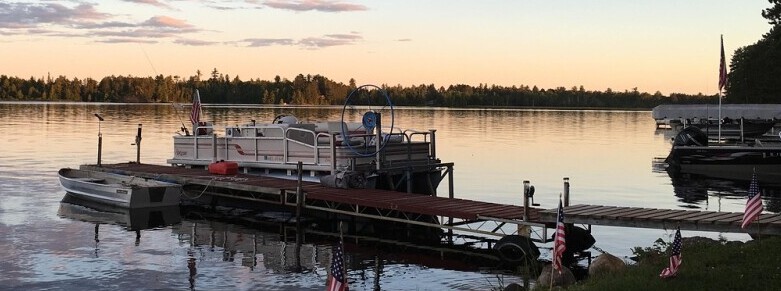
Twin-engine pontoon boats pack a punch when it comes to power and speed. For families that live for the adrenaline rush of watersports, twin engines are your best bet. You get the strength to tow tubes and wakeboards with ease, adding an extra layer of excitement to family outings.
One of the standout features of twin-engine setups is their superior maneuverability. Navigating tricky docks or spinning around in tight spots becomes a breeze. The dual-engine design allows for spinning on a dime and feeling in total control, especially in crowded marinas or tight canals.
The added security of a backup engine is a massive comfort for many. If one engine should fail, you’re not going to be stranded—an extra engine provides peace of mind, especially if you’re exploring larger waters or remote spots.
But all that power and convenience come with a price. The twin engines mean double the costs upfront and an increase in fuel consumption. Maintenance can also be more demanding with two engines requiring attention, which might put a dent in your boating budget.
There’s also the issue of space. With two engines on board, the transom area gets a bit cramped. Families might find there’s less room for lounging or setting up a platform compared to a single-engine pontoon. Plus, being heavier can impact your boat’s performance slightly, especially if carrying heavier loads or on longer trips.
Risk of damage from debris is something to keep in mind, too. With more propellers, the odds of running into trouble with shallow or debris-filled waters increase. Regular checks and being cautious in less clear conditions can help minimize this risk.
Comparative Analysis: Single vs. Twin Engine Pontoons for Specific Activities
Picking the right pontoon boils down to what your family loves doing on the water. For those lazy, scenic cruises, a single-engine pontoon ticks all the boxes with its easy-going nature and wallet-friendly costs. It’s perfect for cruising the lake with a simple plan: good weather, a laid-back day, and maybe a picnic lunch.
But if your family thrives on action, like slicing through waves and towing inflatables, twin engines offer the thrill you’re seeking. They’re designed for families that want to push the throttle and seize the day with high-speed antics and adventurous spirit.
Different scenarios play out depending on the body’s water. A peaceful lake jaunt with fewer boats calls for a single-engine’s grace. Conversely, busier open waters or rivers that demand nimble navigation might sway you towards twin-engine prowess and confidence.
When deciding, consider each pontoon type through the lens of cost, safety, and intention. Is your family more about long-term savings and relaxed vibes or more into that adrenaline rush and all-in fun? It really is about finding what fits your family’s boating style.
For instance, large family gatherings where ease and comfort are key would lean towards a single engine. In contrast, a day packed with watersport challenges or navigating crowded spots might mean feeling at home with a twin-engine boat.
Final Considerations: Making an Informed Purchase Decision
Understanding what your family wants out of a pontoon adventure is a great place to start when making your purchase decision. Everyone’s priorities differ, and honing in on these will narrow the field as you choose between single-engine and twin-engine options.
Start with budgeting, not just for the upfront price tag but also keeping in mind the ongoing operating costs. It’s about finding that sweet spot where cost, use, and value align perfectly for your family’s boating lifestyle.
Navigating safety is crucial. The sea can be unpredictable, and being prepared with safety features aligned to your pontoon choice makes a difference. Whether it’s redundancy with a twin-engine setup or ensuring the single engine is reliable, having a safety plan in place is good sense.
Crafting a checklist of your family’s needs, from activities to comfort, will guide this process effectively. Maybe it’s a dream of effortless cruises or action-packed days on the water—capturing those desires on paper means you’re more likely to match them with the right boat.
In the end, picking a pontoon is about more than just specs. It’s about enriching family time, creating lasting memories, and ensuring every outing is a joyous experience. Having weighed up the pros and cons, the final decision should make sense not just logically but emotionally as well.
**Here’s a little transparency: Our website contains affiliate links. This means if you click and make a purchase, we may receive a small commission. Don’t worry, there’s no extra cost to you. It’s a simple way you can support our mission to bring you quality pontoon boating content.