Pontoon boating is a blend of relaxation, exploration, and pure fun. When you’re the captain-whether it’s your own boat or a rental, you want every trip to run smoothly and safely. Over the years, I’ve found that a well-stocked toolkit can save a day on the water or simply make tricky moments a lot less stressful. This guide covers everything I keep in my own pontoon captain toolkit, along with some smart extras that have proven pretty handy.
**Here’s a little transparency: Our website contains affiliate links. This means if you click and make a purchase, we may receive a small commission. Don’t worry, there’s no extra cost to you. It’s a simple way you can support our mission to bring you quality pontoon boating content.
Why Every Pontoon Captain Needs a Toolkit
Pontoons are designed with comfort in mind, but it doesn’t take a seasoned skipper to know that little surprises can pop up. From tangled anchor lines to a finicky fuel filter, being prepared with the right tools and gear keeps you calm no matter what. Many captains start with a marine multitool designed for boating because it covers the most common fixes in one compact tool. Convenience is a big reason as well; having everything in one designated spot saves a ton of time and helps everyone feel confident onboard.
Owning a pontoon boat means regular maintenance and occasional quick fixes. The right toolkit bridges the gap between a minor hiccup and a much less pleasant day. A properly organized kit also means you’re set if you ever help out another boater, which can turn strangers into friends on the water.
The Core Essentials: Skipper Sam’s Toolkit Must-Haves
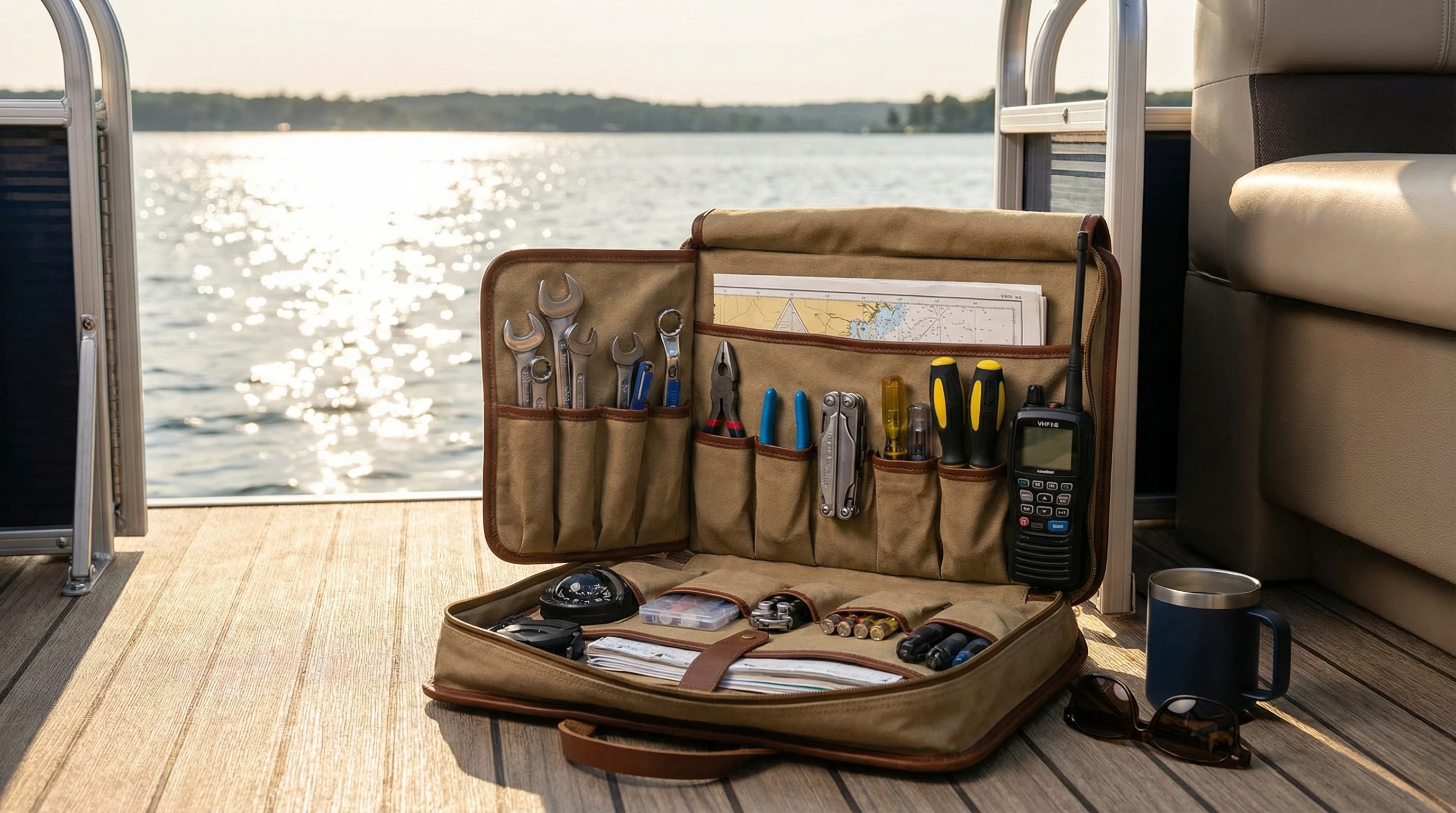
The basics form the backbone of my captain kit. Here’s what always makes it into my boat bag and why these items earn a spot every time:
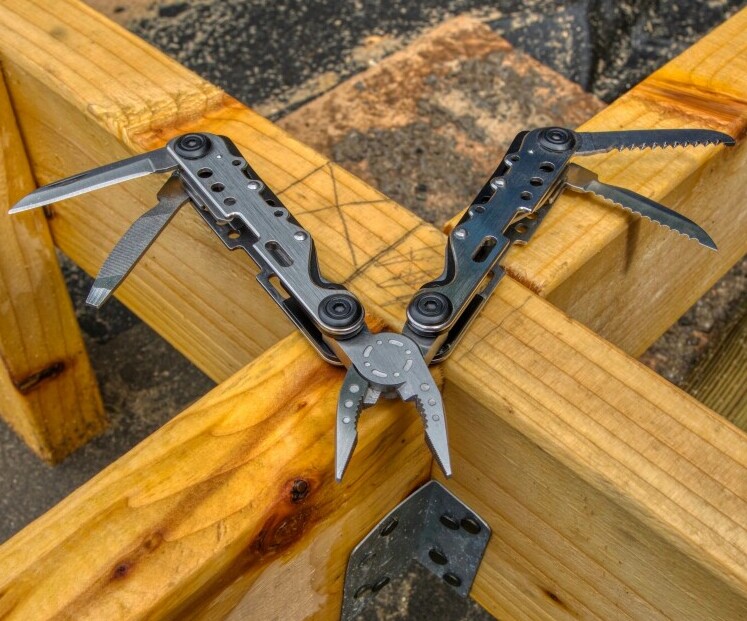
- Marine Multitool or Marine Grade Tool Set: I always carry a high quality multitool and a small tray of basic hand tools like screwdrivers and an adjustable wrench. On a pontoon, there’s always something to tighten, tweak, or loosen.
- Spare Dock Lines and Bungee Cords: Having extra lines means I’m never caught short if dock cleats are far apart or someone forgets to toss back a rope. Bungee cords are great for securing loose items during a windy cruise.
- Marine First Aid Kit: My kit covers small cuts, scrapes, and headaches. I check it at the start of every season and make sure it’s fully stocked.
- Waterproof Marine Flashlight or Headlamp: Power outages or nighttime excursions are rare, but I wouldn’t want to be without a hands free light source when I actually need it.
- Marine Fuses and Spare Bulbs: Troubleshooting a flaky navigation light is easier with backup bulbs. I also keep spare fuses that fit my boat’s panel.
- Electrical Tape and Zip Ties: These are “quick fix” heroes. I’ve used them for everything from bundling steering cables to patching dangling seat covers until I can do a real repair.
- Manual Air Horn and Signaling Mirror: Reliable, non battery powered safety tools are super important. If you get stuck or your electrical horn fails, these earn their keep fast.
- Dock Fender or Bumper (Inflatable or Foam): Carrying a spare bumper makes docking less stressful, especially at unfamiliar waterfronts with odd dock alignments.
The “Nice to Haves” That Make Life Easier
Once you have the basics, adding a few comfort and safety extras is a game changer. Some of these weren’t on my original list, but after talking to other boaters and running into a few sticky situations, they’ve become regulars in my kit:
- Spare Sunglasses and Sunscreen: Somebody always forgets theirs-and you’ll definitely miss them when you don’t have them.
- Dry Bag or Waterproof Pouch: I keep my phone, wallet, and paperwork sealed away. Even minor splashes can ruin electronics or documents.
- Fuel Stabilizer (and Funnel): Especially if I know my boat might sit for a bit, this keeps the engine happy and makes it a lot easier to pour fuel from portable cans without spills.
- Portable Battery Charger (Jump Pack): Dead batteries sneak up on everyone, and a portable jump pack can quickly get things moving again without flagging down help.
- Gloves (Nitrile and Work): Pulling up muddy anchors or tinkering with greasy parts isn’t as much fun barehanded. I keep sturdy work gloves next to a box of disposable nitrile gloves.
- Towel or Deck Wipe: Messes and slippery decks happen. Microfiber towels dry fast and quickly clean up after spills, rain, or wet gear.
Pontoon Specific Tasks and Quick Fixes
Pontoon boats have some unique quirks that show up from time to time. Here are a few challenges I’ve run into and how this toolkit comes to the rescue:
- Loose Fittings and Rattles: The gentle motion on pontoons sometimes works screws and bolts loose, especially in older railings or seat mounts. My screwdriver and wrench get regular use tightening things before they escalate.
- Snagged Anchor Rope: Cords and ropes can tangle around the fence or snag on cleats. A sharp marine grade knife and those bungee cords make it simple to untangle and stow everything after anchoring.
- Swamped Deck or Seats: After a sudden downpour or splashy boarding job, towels and a portable bilge pump (if you have one) dry things out before folks get uncomfortable.
- Electrical Gremlins: Navigation lights and stereos sometimes act up thanks to vibration or moisture. Spare fuses, bulbs, and some electrical tape get things running again before sunset cruises or night rides.
- Fender Emergencies: The extra dock bumper helps keep your boat scuff free if a friend joins the party or you wind up docking somewhere unexpected.
In addition to quick fixes, sometimes it’s great to have a small collection of stainless fasteners and washers. Should a screw work its way out of a hinge or ladder, you can quickly swap it with a spares from your toolkit and keep everything shipshape. A few ziplock bags for wet or greasy tools also spare your dry storage area from stains and smells.
Safety Gear: Your Best Backup Plan
Boating regulations require a few basics, but I go above and beyond for peace of mind. Safety is always at the front of my mind, especially when carrying a full crew. In my toolkit and storage I keep:
- USCG Approved Life Jackets (for all ages and sizes on board): Even strong swimmers need the right gear. I double check fit and condition every spring.
- Throwable Flotation Device: Mounted within easy reach, this is a smart move for unexpected moments.
- Fire Extinguisher (Marine Rated): I make sure the gauge reads “full” and that everyone knows how to use it.
- Up to date Registration and Insurance Info: Kept dry and protected in that waterproof pouch mentioned earlier.
- Foldable Boat Hook: Great for pushing off docks or rescuing hats, fenders, or paddles that end up just out of reach.
Local laws can vary, so it’s smart to brush up on your state or province’s specific gear checklist. Nothing slows down a day like missing paperwork or missing safety gear during a random inspection.
How to Organize Your Captain’s Toolkit
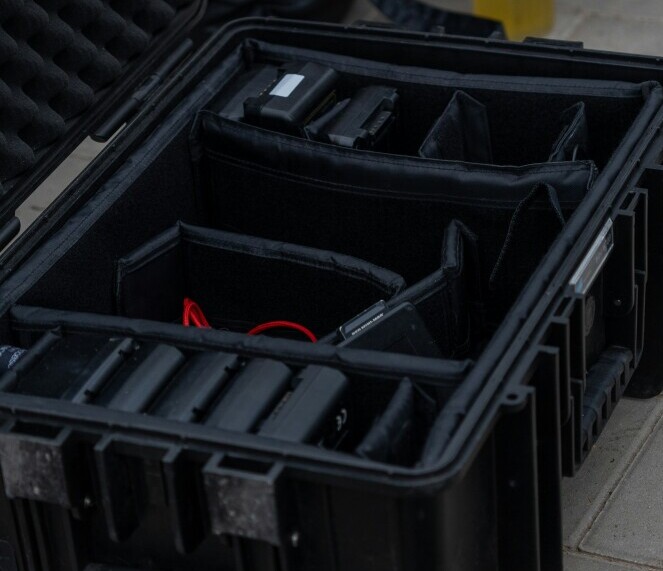
Staying organized saves headaches. I use a medium sized waterproof marine toolbox for tools and safety items, and a soft sided dry bag for all my personal stuff and electronics. Quick access items like the air horn, flashlights, and fenders get their own pocket or stay within easy reach in under-seat storage.
Labeling each compartment is useful-no one wants to ransack the toolbox during a small emergency. I also make a checklist on my phone so I can quickly check what’s there on launch day and spot anything that’s missing or running low.
By storing my kit in the same spot every time, I can grab it in seconds and know I’ll have what I need if things get bumpy or if someone else on board needs something in a pinch.
Pro Tips for Keeping Your Kit in Top Shape
A little maintenance goes a long way. Here’s how I keep my toolkit reliable:
- Do a full stock check at the start and end of each boating season so it’s always up to date.
- Replace anything that gets wet, rusty, or used up right away-don’t just make a mental note to restock.
- Test out flashlights and air horns a few times a year, especially after a long winter in storage.
- Keep knives and cutting tools dry and oiled so they’re always ready (and not frozen shut by rust).
There’s real peace of mind walking down the dock knowing you’re good to go, no matter what happens aboard.
Frequently Asked Pontoon Toolkit Questions
I get a lot of questions from new captains about what truly belongs in a toolkit. Here are some that come up often:
Question: What’s the one tool you find yourself using most?
Answer: The multitool honestly gets the most use. Tightening hardware, cutting fishing line, or even opening bottles. It’s the MVP of my box.
Question: How do you know if you’re carrying too much?
Answer: If you have to dig around for every item or your kit barely fits in storage, it’s time to trim the extras. Stick to the gear you actually use in a season.
Question: Do you bring a spare propeller?
Answer: Only on longer trips or when visiting unfamiliar, rocky waters. For everyday cruising, I keep the tools I’d need to swap it, but not an extra prop itself.
Question: Does the toolkit change for saltwater trips?
Answer: I rinse everything and stick with stainless or corrosion resistant materials whenever possible. Saltwater is tough on gear, so I add extra corrosion spray and more electrical tape.
Bringing It All Together: Confidence on the Water
A thoughtfully packed captain’s toolkit means fewer worries and more time enjoying the open water. Whether I’m handling small repairs, sailing into the sunset, or helping a fellow boater, having the essentials at hand makes every outing that much smoother. Every pontoon captain finds their favorite tools along the way, but starting with the basics from this list keeps you ready for whatever the waves bring your way.
No matter how seasoned or new you are to pontoon boating, this toolkit is my tried-and-true companion. With a well stocked kit, you can quickly turn blips into non-issues and keep your focus on good times, great company, and the kind of easy cruising pontoon boats are popular for. Happy boating!