Pontoon boat outings are a blast for families, but safety always has to come first when kids, parents, and even pets are on board.
With how versatile pontoon boats are, it’s easy to get comfortable and relaxed, but there are specific steps I always take to keep everyone safe and stress-free. Here’s my full checklist, aimed at families; it’s scannable, printable, and packed with practical tips that work in real life.
 **Here’s a little transparency: Our website contains affiliate links. This means if you click and make a purchase, we may receive a small commission. Don’t worry, there’s no extra cost to you. It’s a simple way you can support our mission to bring you quality pontoon boating content.
Why Pontoon Boat Safety Is Unique for Families
Heading out on the water with a group of kids, grandparents, and maybe even a dog or two means you’ve got more variables to watch than on a solo trip. Wide open decks give freedom to move, but also raise the risk for slips, trips, and falls. Family groups often juggle snacks, toys, and fishing gear, all of which can add tripping hazards or distractions. Plus, not everyone may be a strong swimmer or be familiar with boating basics. That’s why my checklist includes multi-layered safety tips tailored for every age group onboard and even four-legged friends.
Pontoon Boat Family Safety Checklist: 25 Must-Do Steps
These steps cover everything from before you leave the dock to when you return at sunset, keeping your whole crew safe and happy. I recommend printing this out and sticking it by your boat keys or in your boating bag.
- Check the Weather Forecast: Always start by looking up current and predicted weather. Packing up early is way better than getting caught in a storm, especially with kids.
- File a Float Plan: Let someone you trust know your trip details; where you’re going, when you’re leaving, and when you’ll be back.
- Inspect the Boat Hull: Walk around and check for cracks or leaks, especially along seams or the pontoons, before loading up.
- Test Engine and Lights: Start the engine before leaving the dock and check all navigation and deck lights, even on sunny days. You never know when you might get delayed.
- Confirm the Fuel Level: Top off your tank and bring extra, keeping in mind you’ll want enough for unexpected detours. It’s always better to have extra.
- Count (and Test) Life Jackets: Carry one properly sized, Coast Guard approved life jacket per person. Have your family try them on to check fit, not just count them.
- Kid and Pet Life Jackets: Use life jackets with crotch straps for kids so they don’t slip out. For pets, find flotation vests with handles on the back.
- Bring Throwable Flotation Device: Stow an easy to reach, throwable device (like a ring or cushion) in case someone ends up overboard.
- Pack a First Aid Kit: Stock it with up-to-date supplies; think insect bite cream, allergy meds, and lots of bandages for little finger pricks.
- Fire Extinguisher Check: Make sure it’s not expired or rusted and everyone knows where it’s stashed.
- Anchor and Line: Double check you’ve got a good anchor with enough line. Families love to swim, picnic, or fish, so you’ll be anchoring often.
- Navigation Tools: Carry a working marine GPS, chart, or app and a whistle or air horn for sound signals when visibility is low.
- Sun and Heat Protection: Bring hats, UV shirts, sunscreen, and loads of water. A canopy or bimini top is super helpful for keeping little ones cool.
- Non-Slip Shoes: Flip flops might sound tempting, but shoes with grip actually help stop trip-ups and stubbed toes on deck furniture.
- Deck Clutter Rule: Store snacks, toys, bags, and fishing gear right away. A clear deck means fewer falls.
- Designate an Adult “Spotter”: Rotate who watches the water any time someone is swimming, tubing, or fishing out back.
- Swim Ladders and Gates: Check ladders are solid and easy to use, and latch all gates every time.
- Emergency Cut-Off Lanyard (“Kill Switch”): Use this every single ride. The driver wears it at all times to stop the engine if they fall overboard.
- Boat Rules Briefing: Before casting off, lay out ground rules: no running, no hanging legs overboard, and no climbing on railings.
- Teach Everyone Man-Overboard Drills: Even young kids can learn what to shout and where to point if someone falls in. Practice as a family to make sure everyone knows what to do.
- Snack and Hydration Plan: Dehydration and low blood sugar can sneak up fast, so load up on water and easy to grab snacks. Make a habit of regular snack breaks, especially when it’s hot.
- Toilet and Privacy Strategy: Plan bathroom breaks, especially for younger kids. Some families keep a portable privacy tent and bucket to make things easy for everyone.
- Pet Safety Prep: Nonslip mats and a shady spot keep pets safe and calm. Bring plenty of water and a leash to control them at landings.
- Check for Fishing Hooks and Lures: Do a visual sweep for stray hooks, especially after a stop. Kids and pets are magnetically drawn to the weirdest things, so it pays to be thorough.
- Night/Low Light Precautions: Make sure navigation lights work, glow sticks are within reach, and reflectors are visible if you’re out after dark. Having headlamps on hand also helps.
Pontoon Safety Equipment: What I Always Have Onboard
Pontoon boats offer plenty of space, making it tempting to overpack, but I stick to a few core pieces that help in an emergency and make family days smoother:
- Marine Radio: Sometimes your cell signal won’t cut it on a big lake or river. A handheld VHF radio keeps you connected for emergencies or if you need info from nearby boaters.
- Backup Navigation Tools: A simple compass and waterproof map can get you back if your phone dies or gets wet. It’s a small investment for real peace of mind.
- Motion Sickness Supplies: Dramamine, ginger chews, or acupressure bands are life savers for kids (and adults) who get queasy. I’ve found it best to pack extra in case guests forget theirs.
Don’t forget, keeping a small dry bag for important items, like wallets or extra keys, is a must. If you have little ones, consider child-size sunglasses to protect their eyes and a checklist for each family to make packing easier. On sunny days, handheld fans and extra towels can make everyone a lot more comfortable. Extra charging banks for phones are also handy when taking lots of pictures or using navigation apps.
Biggest Family Safety Risks and How I Avoid Them
Avoiding accidents is a lot easier when you know what to expect with multigenerational groups. Here’s what causes the most problems and how I try to steer clear:
- Distractions: Assign a co-captain to take over while the main driver helps with snacks, music, or fishing gear. Clear roles mean safer operations.
- Tired or Hungry Kids: Stopping to let energy out (swimming or on a sandy shore) is a lot safer than wrangling cranky kids onboard. Build breaks into your plan so everyone can recharge.
- Alcohol: I usually avoid drinking until we’re back docked, as the risk just isn’t worth it when kids are involved.

- Unwatched Pets: Leash or crate pets when docking or at crowded marinas to dodge chaos and surprise swims. Train your pets to stay calm with treats and praise.
Another risk to watch for is sunburn or heatstroke, especially in children and older adults. Regularly apply sunscreen, keep hats on hand, and make sure everyone drinks water throughout the day. Sudden weather changes can sneak up, so have a light rain jacket and emergency shelter option if clouds move in.
Family-Focused Safety Upgrades for Pontoon Owners
There are a few easy customizations and products I’ve added that really give peace of mind and are worth sharing:
- Padded Decking or Mats: Slippery aluminum is way less of a problem with pads or textured mats installed. These make barefoot playtime safer for kids and easier on older knees.
- Extra Gate Latches: Aftermarket childproof latches or interior bungee cords help stop little escape artists who might forget the rules.
- Personalized Life Jackets: Colorful jackets make it easier to spot your child instantly in a group. Letting kids pick their favorite design often makes them happier to wear it, too.
- Waterproof Storage Bins: Give every family a place for dry clothes, snacks, and electronics. Less clutter means less risk and fewer lost items.
- Motion Sensor Lights: Low profile lights on key steps and inside storage areas make evening trips less tricky. Kids aren’t the only ones who trip after dusk.
- Removable Shade Canopies: For extra sunny days or sudden rain, an extra canopy offers quick cover and helps cool down overheated kids and pets.
Adding phone holders or charging ports, and even kid-friendly cup holders, helps keep gear in place. Anti-fatigue mats at the helm can make standing for long periods easier on adults, too. You can get creative and let kids help decorate storage bins with waterproof stickers to give them a sense of ownership and help them remember to keep things organized.
Frequently Asked Questions
How often should I inspect my pontoon boat for safety?
Give your boat a full once-over before every outing and a deeper check every couple of months, especially if you use it often or store it outside. Don’t forget, regular maintenance keeps everyone safe and adds years of enjoyment to your boat.
Are kids required by law to wear life jackets on a pontoon boat?
In most areas, yes; kids under a certain age (usually 12 or 13, but check your state laws) have to wear life jackets at all times while on the water. It’s best practice to make it the family rule, regardless of local laws.
What’s the safest spot for young kids to sit on a pontoon boat?
Kids should always sit inside the rails and away from the front deck or open gates. I keep younger children on benches close to the captain’s seat so I can keep an eye on them, especially when things get busy.
How can I get kids excited about boat safety?
Let them help with easy safety checks, show them how gear works, or play “find the life jacket” before every trip. Positive involvement often makes the lessons stick. Storytelling or safety games can turn routine tasks into fun learning sessions.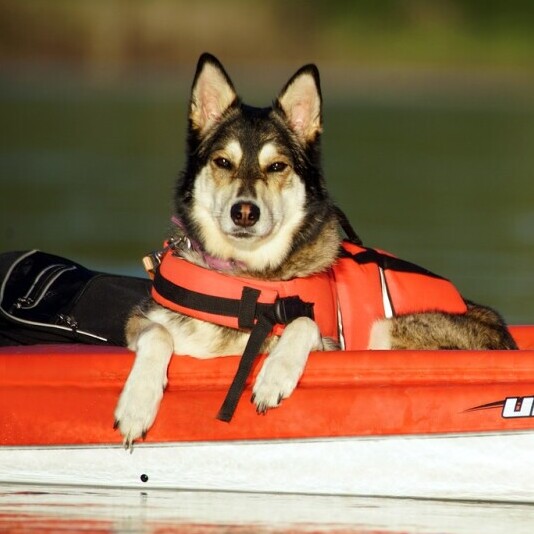
Smart Pontoon Safety Habits Every Captain Needs
Pontoon boat adventures are some of my favorite family memories, but they’re way more enjoyable when safety runs smoothly in the background. A good routine, the right gear, and a bit of planning make all the difference for every age and every trip. Happy boating, and stay safe out there!