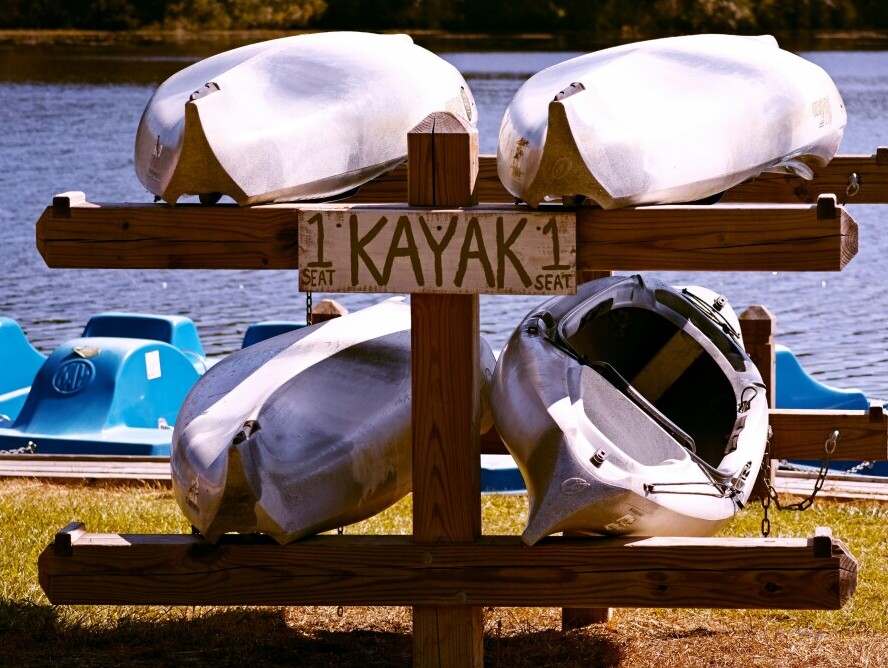
 Kayak racks on pontoon boats? You might be asking, ‘Why do I even need one?’ Well, if you’re someone who enjoys both the serenity of cruising on a pontoon and the adventure of paddling a kayak, combining these experiences can be a real game-changer. This is where kayak racks come into play – they bridge that gap between leisure and thrill.
Now, picture this: you’re out on the water, soaking up the sun on your pontoon boat, and suddenly you spot an ideal kayaking spot. Without a kayak rack, fitting your kayak securely might mean compromising space, or dealing with awkward loading and unloading. Racks make it convenient to transition between activities without breaking a sweat.
That’s the beauty of a kayak rack – it doesn’t just store your kayak; it enhances your boating experience. With the right rack, your pontoon boat becomes a versatile platform, offering you the best of both worlds. You can set sail on your pontoon and easily switch gears to launch your kayak for a closer interaction with nature.
There’s a growing trend towards versatile storage solutions this year. People want freedom on the water, but they don’t want the hassle. More and more boating enthusiasts are turning to these racks. Why? Because they make life easier and help avoid the headache of constant loading and unloading when you want to try different activities. It’s about seamlessly integrating your outdoor adventures.
**Here’s a little transparency: Our website contains affiliate links. This means if you click and make a purchase, we may receive a small commission. Don’t worry, there’s no extra cost to you. It’s a simple way you can support our mission to bring you quality pontoon boating content.
Top Pontoon-Specific Kayak Racks in 2026
Looking for the best kayak racks for your pontoon boat in 2026? The right rack can make a world of difference, and there are some standout options out there designed specifically for pontoon enthusiasts.
First up, the Manta Racks system. Known for its strong hold and minimal fuss, the Manta Racks system, including popular models like Magma and SurfStow, clamps directly onto your boat’s rail. This means less time worrying about securing your kayak and more time enjoying the water. Thanks to features like quick-release arms, you get both convenience and peace of mind.
Then there’s the TOONRACKER system, tailored for kayaking devotees who want easy access and storage solutions. It’s designed keeping in mind the unique needs of a pontoon boat, ensuring that your kayak stays firmly in place while you’re cruising or anchored.
For those who prefer a DIY approach, foam pads are a great way to go. They’re simple, affordable, and surprisingly effective. All it takes is some creativity, pool noodles, and ratchet straps to get your kayak safe and secure without breaking the bank.
As 2026 brings new innovations, comparing these options based on features like ease of installation, durability, and cost can help you find the perfect fit for your pontoon. Balancing your needs with practical solutions is key to maximizing your time on the water.
Installation and Compatibility: Choosing the Right Rack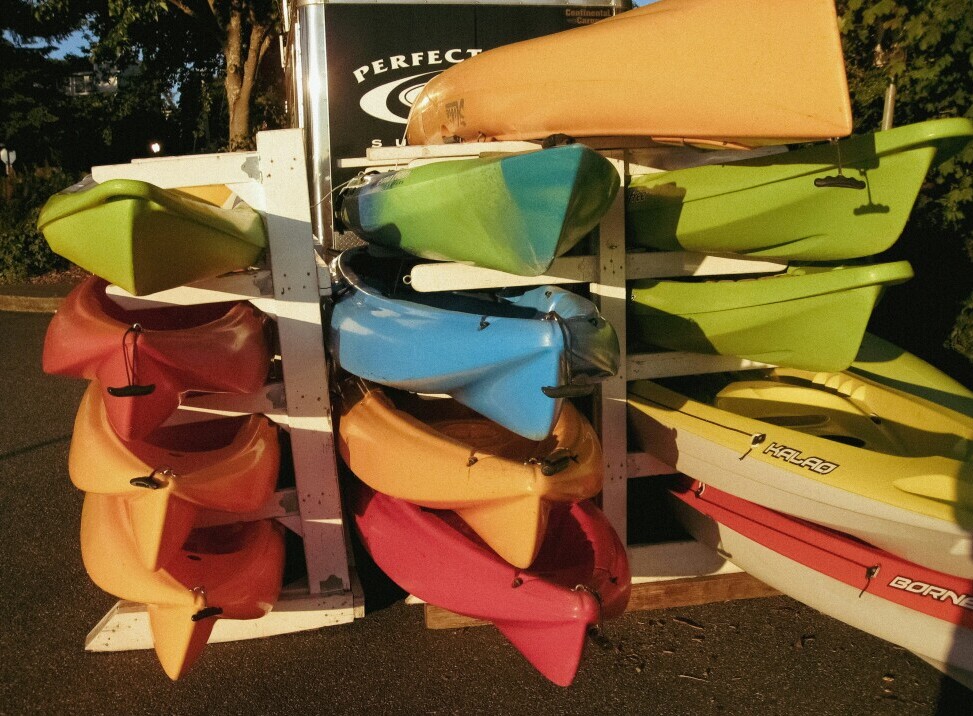
When it comes to choosing the right kayak rack for your pontoon boat, knowing what fits is key. It’s not just about picking a rack; it’s about picking the right rack, one that matches your boat’s specs and your kayaking needs. Before shopping, take a moment to check your pontoon’s rail dimensions and material. These details will guide you in ensuring that the rack you choose will fit securely and perform reliably.
Setting up your kayak rack doesn’t have to be a hassle. Most systems, like the Manta Racks or TOONRACKER, come with detailed instructions that make the process straightforward. It’s usually a matter of clamping or bolting the system to your boat’s rails. If you’re handy, even DIY options with foam pads and ratchet straps can be set up in no time, offering a snug and sturdy fit.
Encountering compatibility issues can be frustrating, but don’t worry, solutions are often simple. Some racks may require adapters or additional clamps for certain rail types or shapes. Researching your pontoon and asking the right questions from the manufacturer can save you time and ensure you get a proper fit.
Once your rack is installed, keeping it in good shape is just as important. Regular checks for rust or loosening parts can prolong its life. Cleaning after exposure to saltwater and tightening bolts ensures your system remains in top condition, ready for your next adventure.
Exploring Vehicle Transport Options for Kayaks
Taking your kayak from your driveway to the water’s edge often means loading it onto a vehicle. Familiarizing yourself with various car rack systems can make this process smoother and prevent unnecessary hassles.
J-style cradles, like the Yakima JayLow and Thule Stacker, are popular for a reason. They allow you to mount kayaks on their sides, saving valuable roof space for more gear or additional boats. This setup can be a game changer, especially for those with multiple kayaks or bulky equipment.
Saddle systems are another superb choice. The Yakima BigCatch or Thule DockGrip cradles your kayak’s hull upright. The gentle support they provide is great for stability, although they might be a bit bulkier when multiple kayaks are involved.
For those paddling heavy or awkwardly shaped kayaks, lift-assist racks like the Thule Hullavator Pro shine. These systems use gas struts or tilting mechanisms to bring the kayak down to a comfortable loading height, reducing the strain of hoisting it onto a taller vehicle.
On a tight budget? There’s no need to worry. Basic foam blocks from brands like Malone or TMS offer adequate support without the hefty price tag. These might not have the bells and whistles but get the job done and are easy to install for quick trips.
Matching the right rack to your vehicle and kayaking habits ensures you spend less time wrestling with your gear and more time enjoying the great outdoors. Just like with pontoon racks, choosing the right vehicle rack is about finding what suits your unique setup and lifestyle.
Safety and Security: Improving Transportation Reliability
Transporting kayaks safely extends beyond simply strapping them down. It’s about ensuring everything is secure, especially when crossing bumpy roads or windy highways.
Measuring your pontoon boat’s rail diameter is a crucial step. Getting this right means your rack will fit snugly, preventing any wobbles that could loosen or damage the mounting over time.
One tip that’s often overlooked is always using bow and stern tie-downs. These not only help stabilize the kayak during travel but also provide extra security in case any component of the rack shifts unexpectedly.
Handling heavy kayaks safely involves mastering techniques or investing in systems that reduce manual lifting. Lift-assist racks, for example, can be particularly helpful when you’re dealing with large, weighty kayaks.
Even with the best rack system, regular maintenance checks are non-negotiable. Look out for loose bolts, rust, or wear and tear on straps. These checks are simple yet crucial for ongoing safety.
Your kayak investment deserves the same protection as your vehicle. Remember, securely transporting your kayak isn’t just about preventing damage to the kayak itself but also about ensuring road safety for you and others.
Budgeting and Decision-Making: Investing in Kayak Racks
When it comes to buying a kayak rack, price isn’t the only thing to think about, but it definitely plays a big role in the final decision. Setting a clear budget helps narrow down your options, making the decision process less overwhelming.
Cost vs. benefit analysis is a practical way to look at your investment. Cheaper options, like DIY foam pads, might work for casual use, but investing in a robust Manta or TOONRACKER system could offer better stability and longevity for frequent kayakers.
Thinking about long-term durability is smart, as durable systems tend to pay off in the long run, offering consistent performance with less maintenance hassle. Consider materials like rust-resistant metals and UV-protected padding-they literally weather the storm better.
Real-life experiences and reviews can offer insight into how different systems perform over time. Case studies often highlight what works and what doesn’t, providing valuable tips for new buyers. Don’t hesitate to seek out user reviews or forums for firsthand advice.
Balancing quality and cost is key. While splurging isn’t necessary for everyone, foundational investments in reliable equipment could enhance your kayaking adventures significantly, making every penny worthwhile.